

The Red Earth Between Us
Election
Originally published by The Elephant — Read the original article →
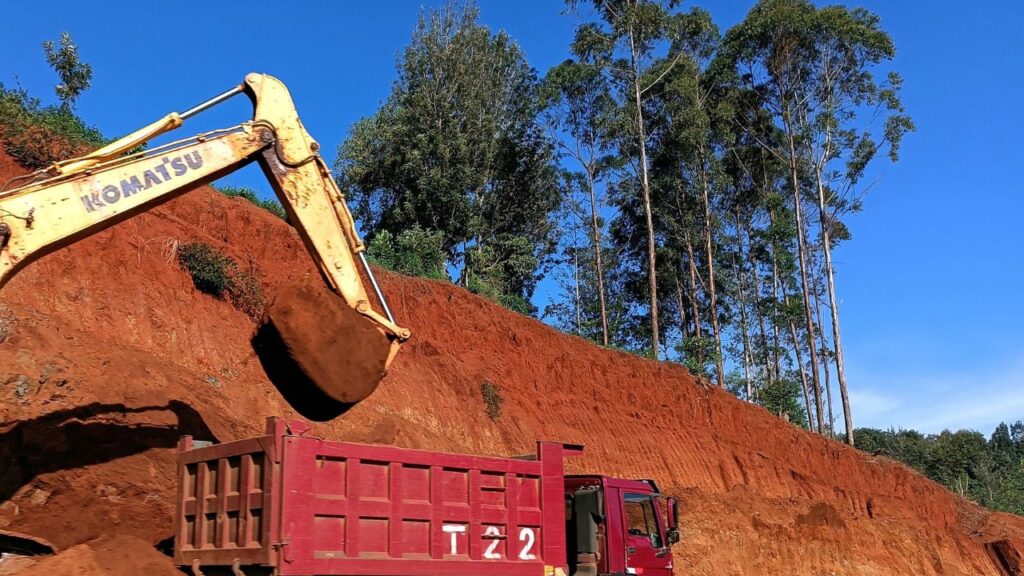
Before steel crossed Kimuka, morning arrived on bare soles pressing into the earth, you could hear the footsteps before you saw the people. The striking red volcanic soil, rich in iron oxides, would easily stick and cake sandals when wet. The visible stains on livestock, rusty-red taint would easily contrast with the green and dry-yellow grass of Kajiado plains. By evening it had climbed into socks, fingernails, cooking pots and mattresses.
Women woke first. Muthoni was up by the time roosters crowed. The cold had unsettled sleep, her mother was crouched beside the hearth, blowing gently into last night’s charcoal until the first orange glow returned. Smoke thickened beneath the low roof, stinging Muthoni’s eyes. Then the shifting would begin from the bomas, hooves scrapping, goats jostling inside a thorned fence. Across the ridge another woman was sweeping her compound with a twig broom. Her body was already answering an inherited clock that did not care for alarms.
She tied her leso, its fabric softened by years of washing, and stepped outside. The air smelled of smoke from last night’s fires, of damp grass, of goats shifting in their sleep. Somewhere, a rooster misjudged the hour. She balanced the yellow jerrycan on her hip and began the walk toward the borehole, joining other women. They greeted each other softly, voices low, conserving breath for the climb back.