


Kenya’s large class sizes make it harder for teachers to help children learn
Originally published by The Conversation – Articles (AFRICA) — Read the original article →
Kenya introduced a competency-based approach to education in 2017. It was meant to give learners a range of skills, from basic reading, writing and arithmetic to critical thinking, creativity, digital literacy and social-emotional skills.
Competency-based education puts learners at the centre while the teacher guides and enables learning. But learners in Kenya are still not achieving their basic literacy and numeracy skills. In grade 3, six out of 10 learners can’t read and understand a story in English, and eight in 10 can’t solve a basic numeracy problem for their grade.
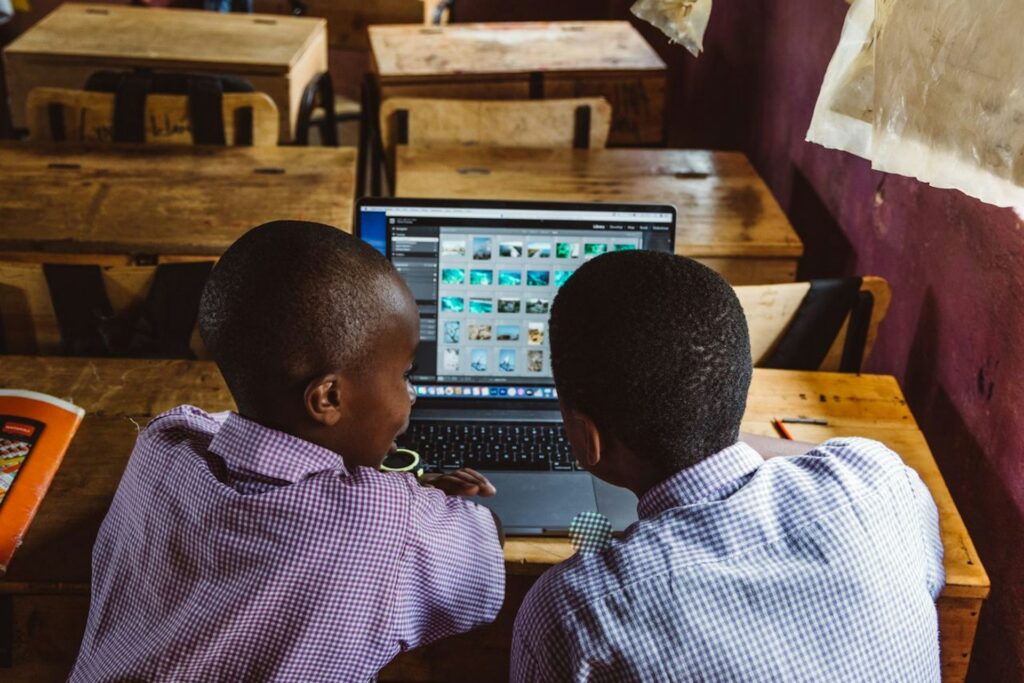
I’m a researcher with a special interest in inclusive education, and was part of a team at the African Population and Health Research Centre in Nairobi that looked at how the new approach was going. We examined how teachers actually teach, and why. This included their use of teaching and learning materials, and integration of information and communication technology in classrooms.

