


Bambara groundnut: new maps show where southern African farmers can grow this drought-tolerant crop
Originally published by The Conversation – Articles (AFRICA) — Read the original article →
Across Africa, wheat, maize and rice are the most consumed cereal crops. When they fail because of drought, floods or other climate disasters, this can be devastating for farmers, particularly smallholder farmers whose livelihoods and food security depend directly on how many crops they can grow and sell.
If farmers grew a wider variety of crops, this could help make agriculture more resilient to climate shocks. It would also contribute to more diverse diets.
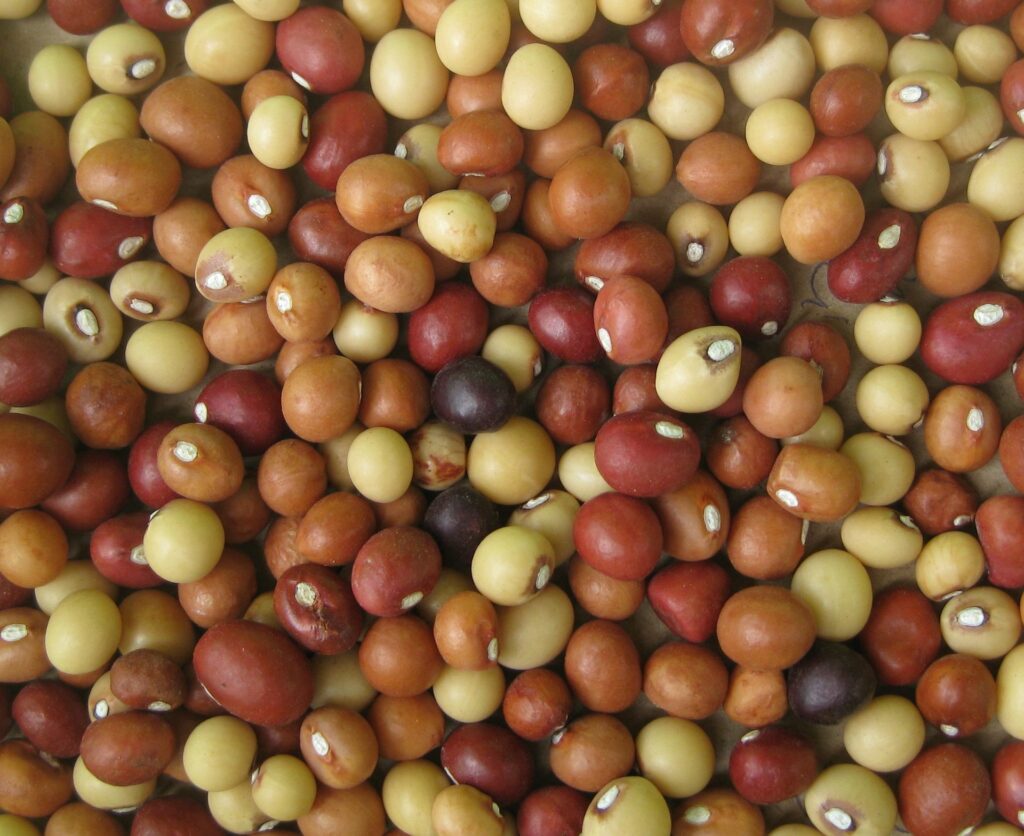
One way of achieving this is to bring more indigenous crops into mainstream agriculture. These crops either originated in Africa or were introduced and have since become naturalised or part of traditional farming systems. Examples include amaranth, bambara groundnut, cowpea, sorghum, sweet potato and taro. These are known as underutilised crops. They cope quite well with drought and other climate stresses, and provide important nutrients to humans, such as protein, fibre and minerals such as iron, zinc and calcium.

