


Faith, Belonging, and the Kenyan Sacred
Originally published by The Elephant — Read the original article →
In a recent edition of The Elephant, younger Kenyans voiced a growing dissatisfaction with the state of religion in public life. Their concern is not simply that religion has become political; it is that, in many instances, it has become too closely aligned with the state. Politicians continue to occupy pulpits, opaque fundraisers flourish, and a state-friendly theology often appears more concerned with legitimising power than confronting the hardship, corruption and inequality that shape ordinary Kenyan lives. During the 2024 Gen Z protests, this frustration crystallised in the #OccupyChurches movement, which challenged clergy and politicians who used religious spaces to legitimise unpopular economic policies and political authority.
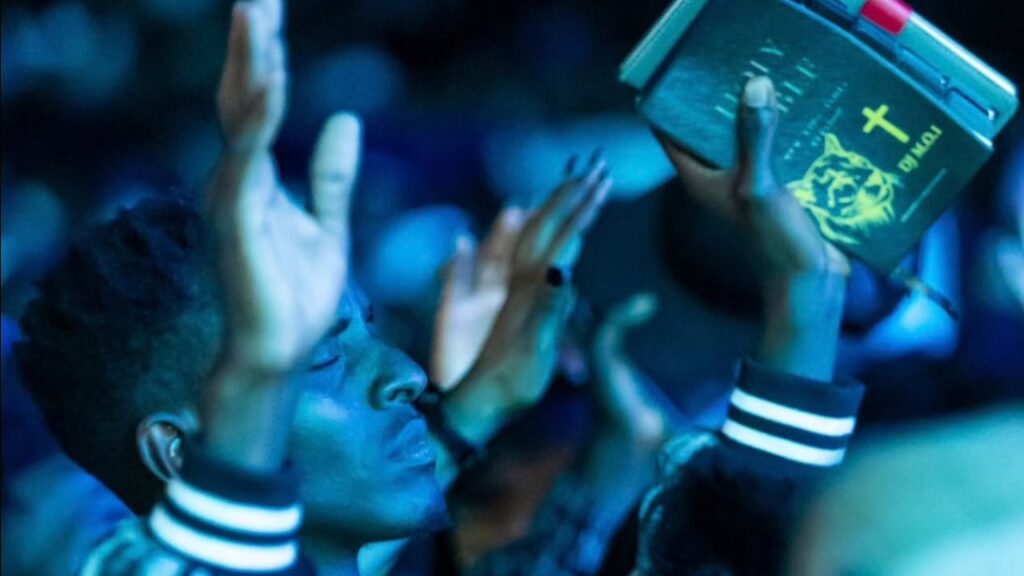
Yet Kenya remains a profoundly religious country. The 2019 census found that about 85.5 per cent of Kenyans identified as Christian and 11 per cent as Muslim, and religious institutions still command large followings nationwide. Kenyans still flock to churches, mosques, crusades, prayer meetings and religious festivals, albeit for varied and sometimes contradictory reasons.
Some attend in search of spiritual refuge, healing, moral direction or hope. Others come for community, music, ritual, fellowship and a sense of belonging. There is also a more civic explanation. Wandia Njoya has argued that Kenya’s shortage of accessible “third spaces”, places beyond home and work where citizens can meet, converse and think together, may make religious gatherings one of the few widely available sites of collective life. Whether Kenyans fill religious sanctuaries because of faith, sociability, the search for meaning, or the absence of alternative public spaces remains an open question.