


Imperial Nostalgia: History, Sovereignty, and the Unfinished Work of Decolonization in the Horn of Africa
Originally published by The Elephant — Read the original article →
History in the Horn of Africa is rarely allowed to remain history. An ancient civilization becomes evidence of modern sovereignty. A medieval dynasty becomes proof of national continuity. Territory incorporated during one political era is later remembered as though it had always belonged to the state that governed it.
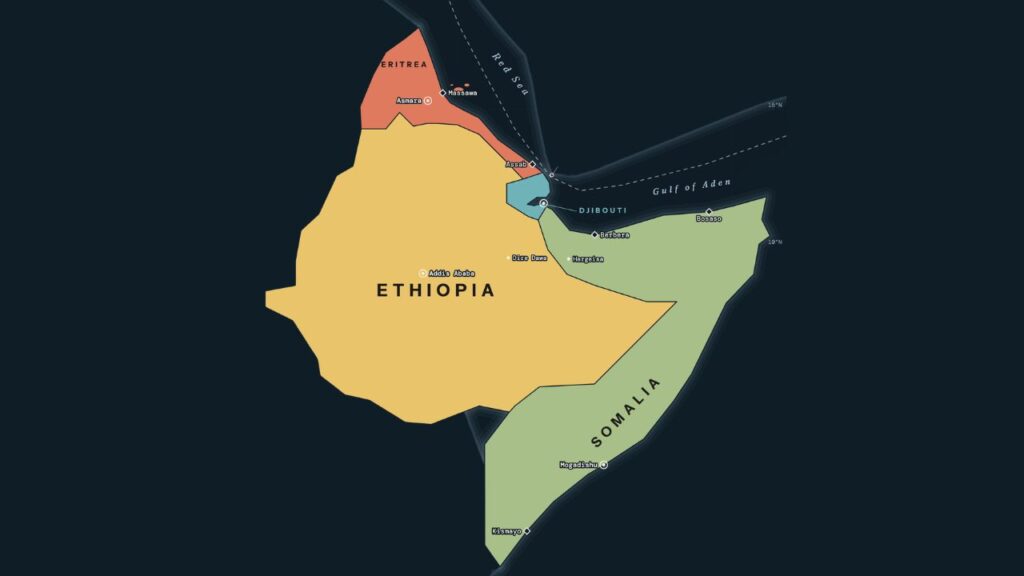
This habit has become especially visible as the Red Sea has returned to Ethiopian political discourse. Ethiopia is landlocked and has obvious economic reasons to seek dependable maritime trade. But there is a fundamental difference between negotiating the use of a port and claiming that a neighboring country possesses territory that properly belongs to Ethiopia. That distinction disappears when Assab is described as a “lost Ethiopian port.”
Ethiopia did not lose a sovereign port in 1993. Eritrea recovered sovereignty over territory that had been incorporated into Ethiopia after the violation and eventual termination of an internationally established federal arrangement. To describe this as Ethiopia “losing the sea” begins the story at the moment of Ethiopian possession and ignores how that possession came about.