


Farming subsidies in Zimbabwe do help spread crop risk, but impact on income is limited – research
Originally published by The Conversation – Articles (AFRICA) — Read the original article →
Party activity
In rural development, the conventional wisdom has for decades been simple: households are better off when they have more than one way of making a living. Diversify, spread your risk, and you’ll be more resilient.
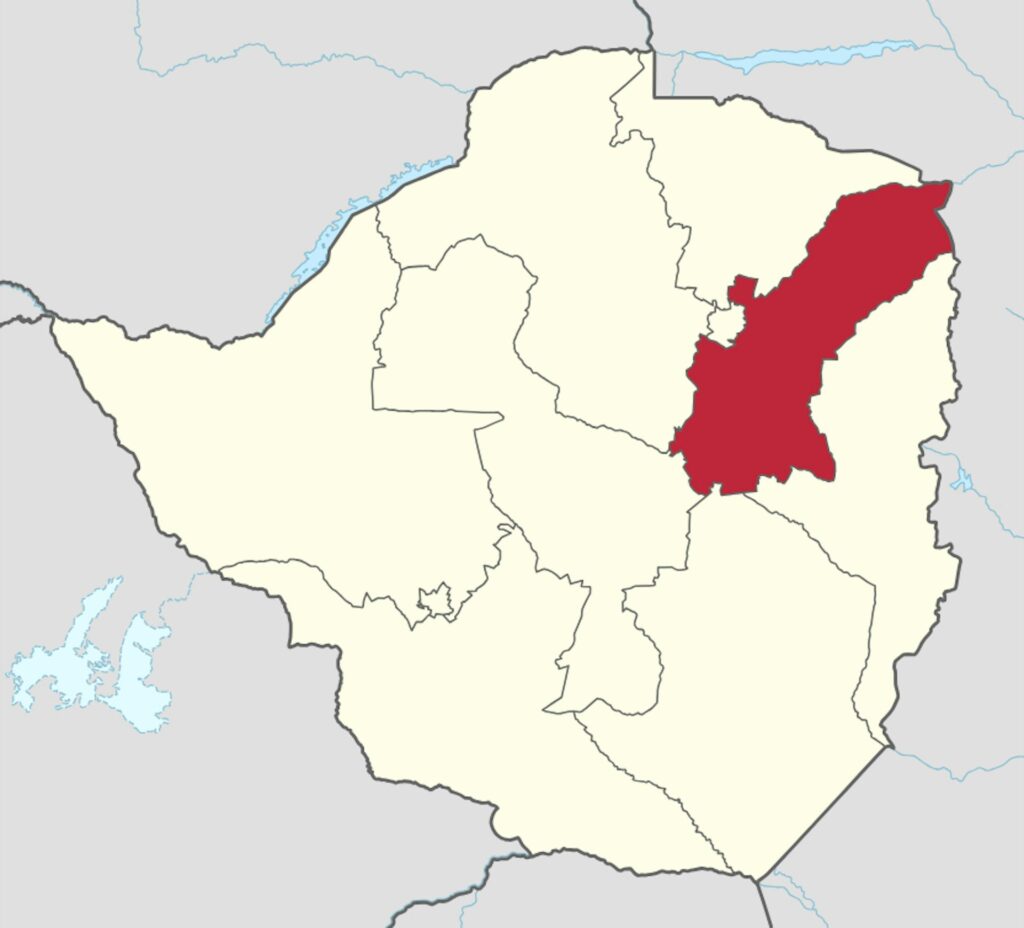
Our research in north-eastern Zimbabwe suggests this is only half true, and that beyond a certain point, adding more income-generating activities can actually make households poorer. The goal for policymakers should therefore be to support and enable households to diversify up to the point where it pays off, by investing in the right assets that make each new activity worth the effort.
The idea for this study came out of a broader concern. Across sub-Saharan Africa, rural households are increasingly abandoning rain-fed farming as their primary livelihood, driven by climate change, declining yields, rising production costs and stagnant producer prices. Governments have responded with programmes that subsidise inputs such as fertiliser and hybrid seeds to stabilise rural incomes. But most evaluations of these programmes look only at whether they raise crop yields. They don’t ask what happens to the household’s wider livelihood strategy.

